My Travel Essential: Aloe ❤️
5 out of 5 star rating. 
You are using an outdated browser. Please upgrade your browser to improve your experience.


$8,219,025,305 Awarded in Cash!
Learn Moredelicious flavors
vitamins, minerals and amino acids
only 20 to 25 calories per serving
Daily use of concentrated aloe may help promote digestive comfort, support a healthy nutrient absorption, and contribute to overall vitality.

Natural wellness Aloe vera contains minerals, amino acids, enzymes, fatty acids and biogenic agents that help normal regulation of cell growth. Aloe beta-glucans are naturally occurring polysaccharides that help support the body's natural immune function and contribute to digestive health. They play a role in maintaining healthy immune cell activity and promoting a healthy gut environment, which is important for overall wellness. By supporting normal immune responses and helping maintain the integrity of the digestive tract, aloe beta-glucans offer foundational support for daily health and vitality.


Gluten-Free

Vegan

Good Manufacturing Practices

Enjoy the crisp, clean taste of Natural Flavor aloe powder, a refreshingly neutral flavor that provides gentle support for digestion and hydration, straight from nature.

Indulge in the perfect blend of sweet strawberries and tropical kiwi with Strawberry Kiwi Flavor aloe powder — a deliciously refreshing flavor that makes supporting digestion a treat!
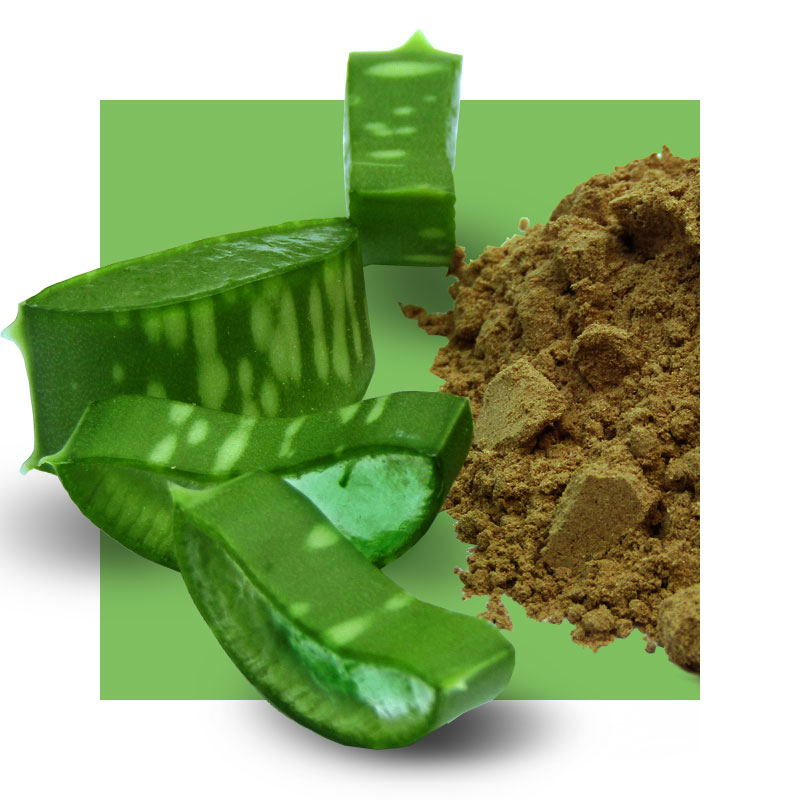
Supports a healthy digestive tract
Promotes normal healing
Supports a strong immune system
Promotes digestive comfort
Convenient powder packets are great for travel or sharing
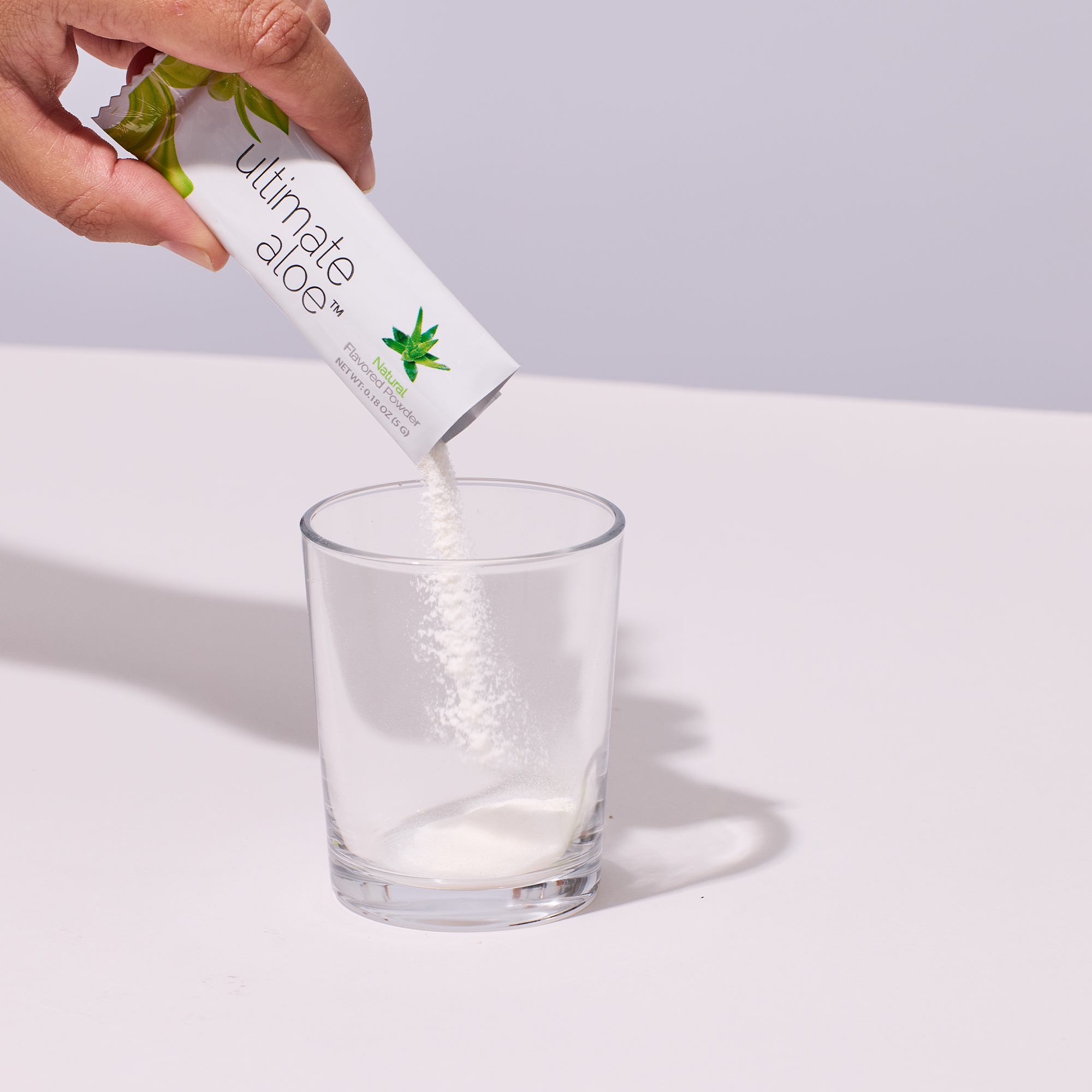
Pour entire contents of Ultimate Aloe Powder packet into 4 fl oz of water.

Stir until fully dissolved.
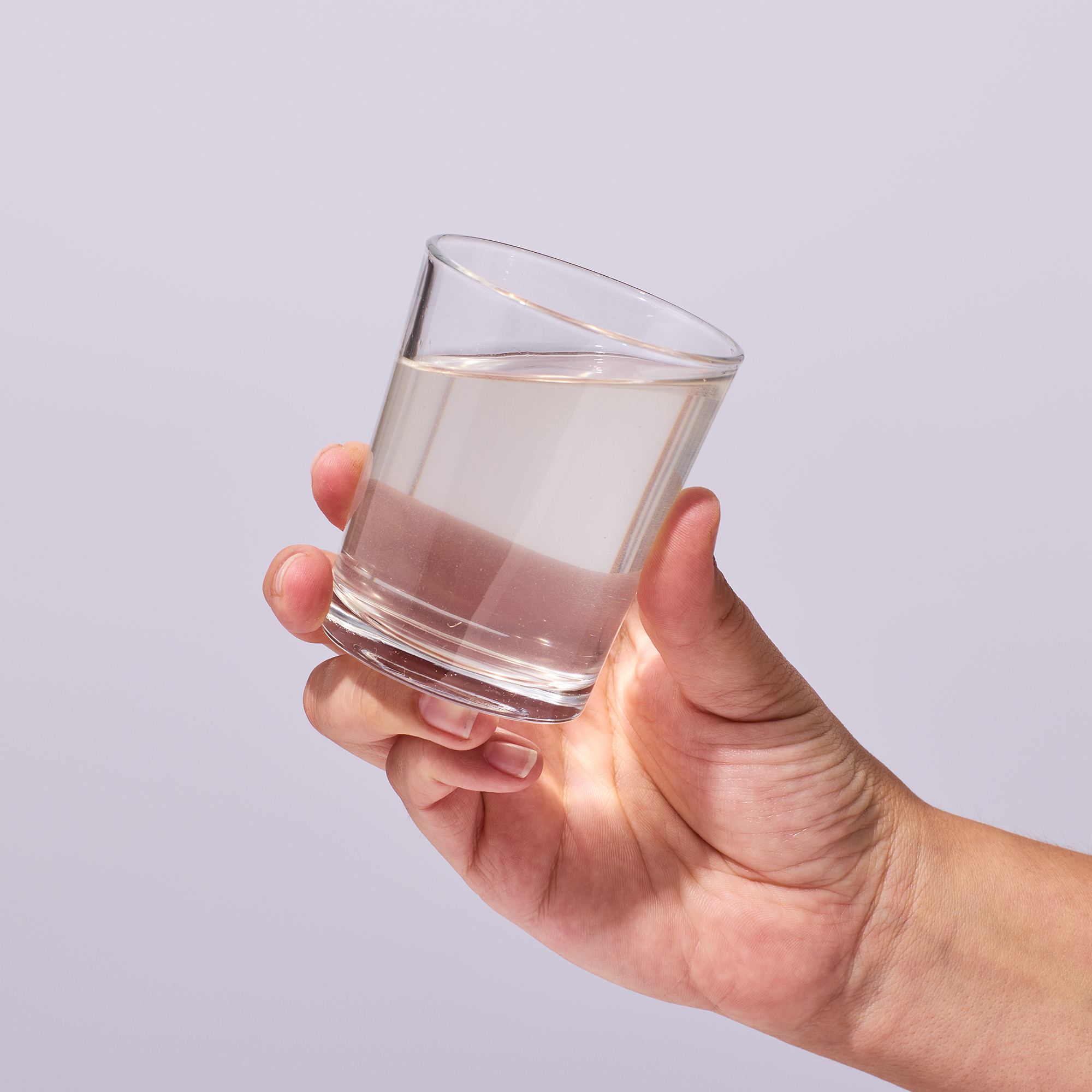
Drink daily for maximum benefits.
The natural flavor contains 20 calories per serving and the strawberry kiwi flavor contains 25 calories per serving.
No, it can be stored safely at room temperature.
The taste will vary from lot to lot due to the seasonal time of harvest. The sun and the amount of water the plants receive are directly responsible for the ripeness of the plants. Just as with any vegetable, you will have a different taste depending upon the growing process.
Modern chemical analysis of aloe leaves shows that the active agents that are responsible for the plant’s widely celebrated health properties are concentrated in the green skin (rind) and yellow sap (latex), which is found just under the skin. The juice of aloe contains at least 99.1 percent water, which means that the polysaccharides (acemannan and other polypeptides), glycoproteins, and other components constitute less than one percent of the juice. To date, over 200 active components have been identified including fatty acids and immune-supporting compounds.*
Fresh whole leaf aloe vera contains aloin, a very powerful laxative, which must be eliminated from the aloe if it is to be used safely as an ingredient in topical products or as a dietary supplement. Aloin is a compound, which is produced from emodin and glucose. When whole leaf aloe is pasteurized and the aloin is eliminated, the aloe is safe for both topical and internal use.
The idea that Aloe vera can promote health is as old as the Pyramids. It is believed to have originated in the warm, dry climates of northern Africa. It has been found referenced in ancient hieroglyphics, which indicate it was a product that was traded between the Egyptians and the Sumerians as many as 6,000 years ago. It was first described in the Papyrus Ebers, an Egyptian book written between 1553-50 B.C.E. The ground whole leaf of the plant has been used as a health agent or cosmetic ingredient for thousands of years in promoting normal healing and healthy digestion . The soothing powers of aloe vera were used in Persia and India for centuries. In addition, both Chinese and Japanese civilizations have taken advantage of aloe vera’s beneficial properties. Greeks and Romans also used aloe vera in supporting health as early as the first century. Ancient Greeks obtained it from the island of Socotra in the Indian Ocean. In the 10th century C.E., its soothing powers were recommended to the British King Alfred the Great by the Patriarch of Jerusalem. Muslims who have made the pilgrimage to Mecca are entitled to hang an Aloe plant over their doors as a talisman against evil. If you look at the history of aloe as a topical application or cosmetic ingredient, there are three types of evidence that have been used to support its value, including testimonials, scientific research and chemical analysis. Reports show that as early as the 1930s, the gel was used to soothe burns. Many individuals apply the gel to minor cuts, abrasions and burns. Aloe vera products enjoy growing public interest. Strong examination of aloe vera continues. Most of the modern research has focused on aloe vera’s ability to support normal healing. The juice of the plant continues to gain in popularity as an effective health supplement. Hundreds of chemical reports show that aloe vera contains amino acids, enzymes and a large number of compounds.*
Aloe vera works because the green skin of the plant produces and the sap stores at least six beneficial health agents: lupeol, salicylic acid, urea nitrogen, cinnamonic acid, phenol and sulfur. In addition, the plant also produces at least 23 proteins (polypeptides) and at least four mannan sugars, which promote the normal regulation of cell growth and support the immune system.
* This product is not intended to diagnose, treat, cure or prevent any disease.
†ACTIValoe® is a registered trademark of Aloecorp, Inc.
would recommend this product.
I really love this Aloe, especially when I’m on holiday. 😊
Sometimes when I don’t get enough sleep or my eating schedule is irregular, I tend to experience gastric discomfort and bloating. When I drink Aloe, my stomach feels more comfortable and I also feel that my appetite improves.
Now, Aloe is definitely one of the things I love to bring with me when I travel. ❤️
Ultimate Aloe sachets has always been a family go to for anything — especially the Strawberry Kiwi Powder. We love how much it supports our gut health, especially for bloating, constipation, young kids who has cough, flu and fever. My kids esp take extra dosage of this when they’re not feeling well, though it takes some time to recover, I feel that it’s better than taking pharmaceuticals products that young kids truly does not really need.
I truly believe the nutrients from this powerful product helped support our daily recovery be it inflammation, dehydration & bowel movement.
Forever thankful for this product 🥹
ove the natural aloe juice! 🌿
I enjoy sipping a cup of aloe juice in the morning or throughout the day as part of my daily routine to support a healthy digestive tract. It’s not only hydrating, but also very soothing for the throat, especially helpful for people who talk a lot, or experience dry coughs and sore throats.
Knowing the meticulous process behind each sachet of aloe powder, I would still pick this over many other options in the market. Simple, gentle, and quietly supportive for everyday wellness.
The ultimate aloe Vera is useful for my sore throat. I drink this after eating fried food and it works. Im always having gastric pain and acid reflux too. I take it whenever my stomach feels uncomfortable and it’s really helpful😊
I used to have sore throat easily when the weather is hot or lack of sleep. Aloe to my rescue and I hardly have this problem now. I love the taste too and I have been taking it daily!

 View Customer Images